theres something weird on brazils map. the country has four timezones. most ppl know acre is different from brasilia, but they dont think much about it. i thought about it. and fell into a rabbit hole of history, geopolitics and international plant theft.
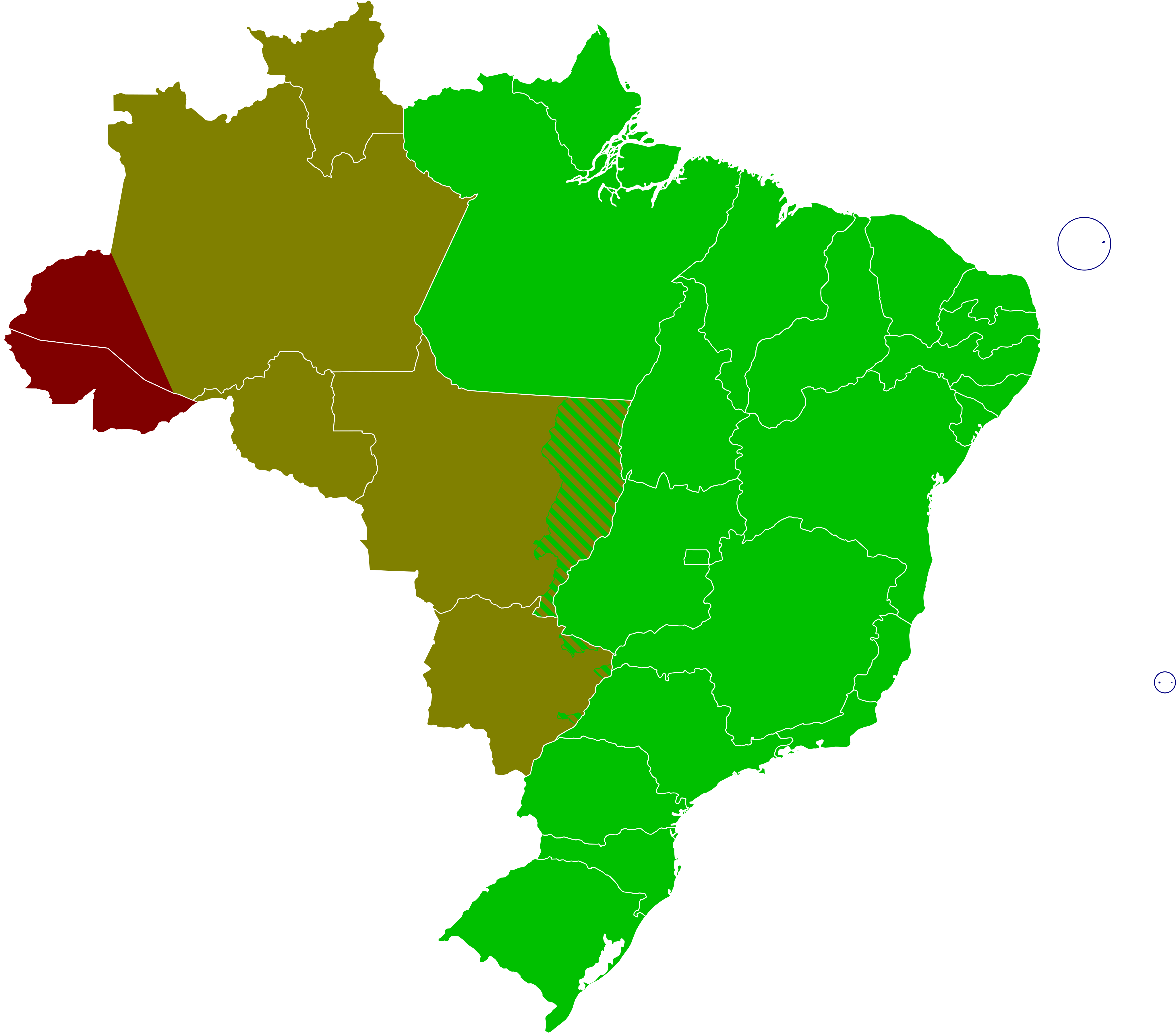
the timezone trick
joinville is on utc-3, brasilia time. acre is on utc-5, two hours behind. that means if u catch a flight at 10am in joinville and the trip lasts exactly two hours, u arrive in acre at noon on ur watch. but when u look at the local clock, its 10am again.
u arrived at the same time u left. (in practice theres no direct flight and the real trip takes 10 to 15 hours with layovers, but u get the idea.)
why acre is so isolated
a different timezone is already a sign the state is far from everything else. and it really is. acre depends almost exclusively on br-364 to receive food and products from the rest of brazil. trucks cross the amazon and get all the way there.
it used to be even worse, bc trucks had to cross the madeira river by ferry, which took hours. in 2021 the abunã bridge was finished and that helped a lot. but during rainy season the road breaks, sometimes blocks, and when supply stops the prices at markets go up.
the cost of living in acre ends up being historically higher than in states well supplied by logistics from the south and southeast.
how acre became brazil
acre wasnt brazilian. it was bolivian. and the story of how brazil bought this territory is one of the most curious in south american diplomacy.
in the late 19th century, brazilians went there attracted by rubber trees. latex was worth a ton of money back then, and the amazon was full of those trees. except the territory was bolivias, and bolivia wanted to tax and control the ppl living there. the brazilians already living and working in the region resisted, and an armed revolt started, the so-called acrean revolution.
to solve it diplomatically, brazil negotiated the treaty of petrópolis in 1903. the negotiator was the baron of rio branco, considered one of the greatest diplomats in the countrys history. the deal included:
- brazil would pay 2 million pounds sterling to bolivia
- would give some land in mato grosso in exchange
- would build the madeira-mamoré railway
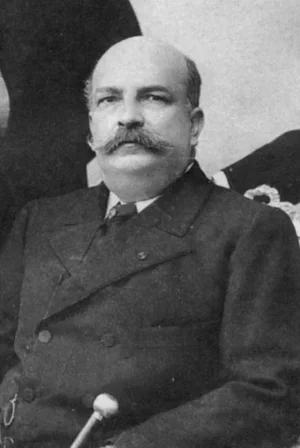
the railway was the most important point for bolivia. bolivia has no coastline, and the idea was to create an export route. bolivian products would go downriver by boat, but there was a stretch full of rapids on the madeira river that ships couldnt pass. the train would do this part by land, then products went back to ships and followed the amazon to the atlantic.
bolivia got the bad deal
at the time, losing the territory seemed like a reasonable deal for bolivia. the money was good, the railway would be useful, and effective control of that region was already complicated with so many brazilians inside.
the problem is that soon after the rubber market collapsed. asia started producing latex at a much larger scale and much cheaper. the export route by railway lost its purpose, the land bolivia sold ended up being worth way more than it seemed at signing, and the country was left without a coastline and without the profit it expected.
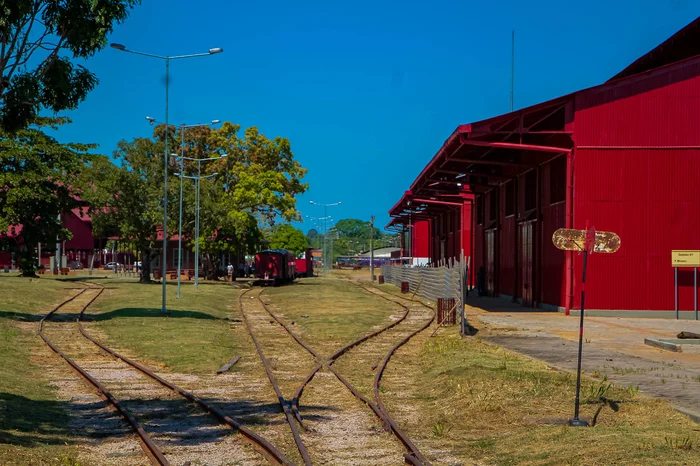
the madeira-mamoré railway was built but became a museum piece. today theres a preserved section in porto velho as historical heritage. the operational line itself no longer exists.
and bolivia still has no sea access to this day. to reach the atlantic, they use the paraguay-paraná waterway. they put cargo on ships in the south of the country, go down the paraguay river, pass through paraguay and argentina, and exit into the ocean. pacific access? they lost that in a war against chile in the 19th century. not the luckiest country geographically.
the englishman who smuggled rubber
but back to rubber, why could asia produce so much?
bc an englishman named henry wickham went to the amazon in 1876 and came back with over 70 thousand rubber tree seeds hidden on a ship. he told brazilian customs that the boxes only had botanical samples for the queen of england. the officers let it through. the seeds went to london and from there to plantations in british colonies in asia, mainly malaysia and ceylon.
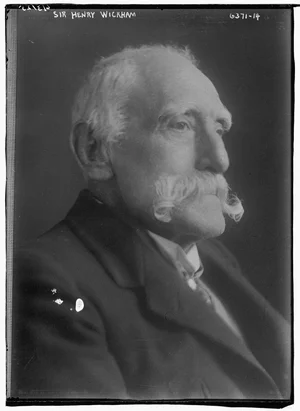
it wasnt an explicit crime under the laws of the time, but it was clearly customs fraud. wickham knew the brazilians wouldnt let this material leave if they knew what it was. a few decades later, asian production destroyed brazils rubber monopoly and broke the amazon economy.
this has a name today. biopiracy.
brazil did it too
before it looks like brazil was only the victim here: coffee isnt brazilian.
coffee is native to ethiopia, was cultivated in the arab world, reached europe and the french protected the plants in their colonies very carefully. in 1727, a brazilian diplomat named francisco de melo palheta was sent to french guiana. the french wouldnt let anyone leave with coffee seeds no matter what.
palheta got close to the local governors wife. when he left, she gave him a farewell bouquet of flowers. inside the bouquet, hidden coffee seeds.
he arrived in brazil with the seeds, planted them, and coffee became the most profitable product in brazilian economic history for decades. this story is documented, not a legend.
this still happens
today biopiracy is a crime with international legislation, IBAMA, federal police at airports and heavy surveillance. but it keeps happening.
what they try to steal today is different. plants used by indigenous communities with medicinal properties, exotic animals for collectors, snake and amphibian venom for pharmaceutical research. the logic is the same as wickhams. take biodiversity from another country, patent the derivative abroad, and profit without any compensation for whoever had it originally.
and theres an even darker version of this, biopiracy as sabotage. taking a plague or fungus from one region and introducing it into another countrys plantation can destroy an entire agricultural economy. in the 80s the cocoa crop in bahia was devastated by a fungus called witches broom. to this day ppl discuss whether that was accidental or not.
it all started with a question about timezones.